
Wine Jelly Recipe

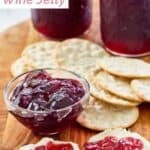

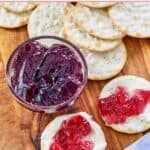
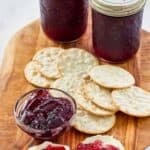
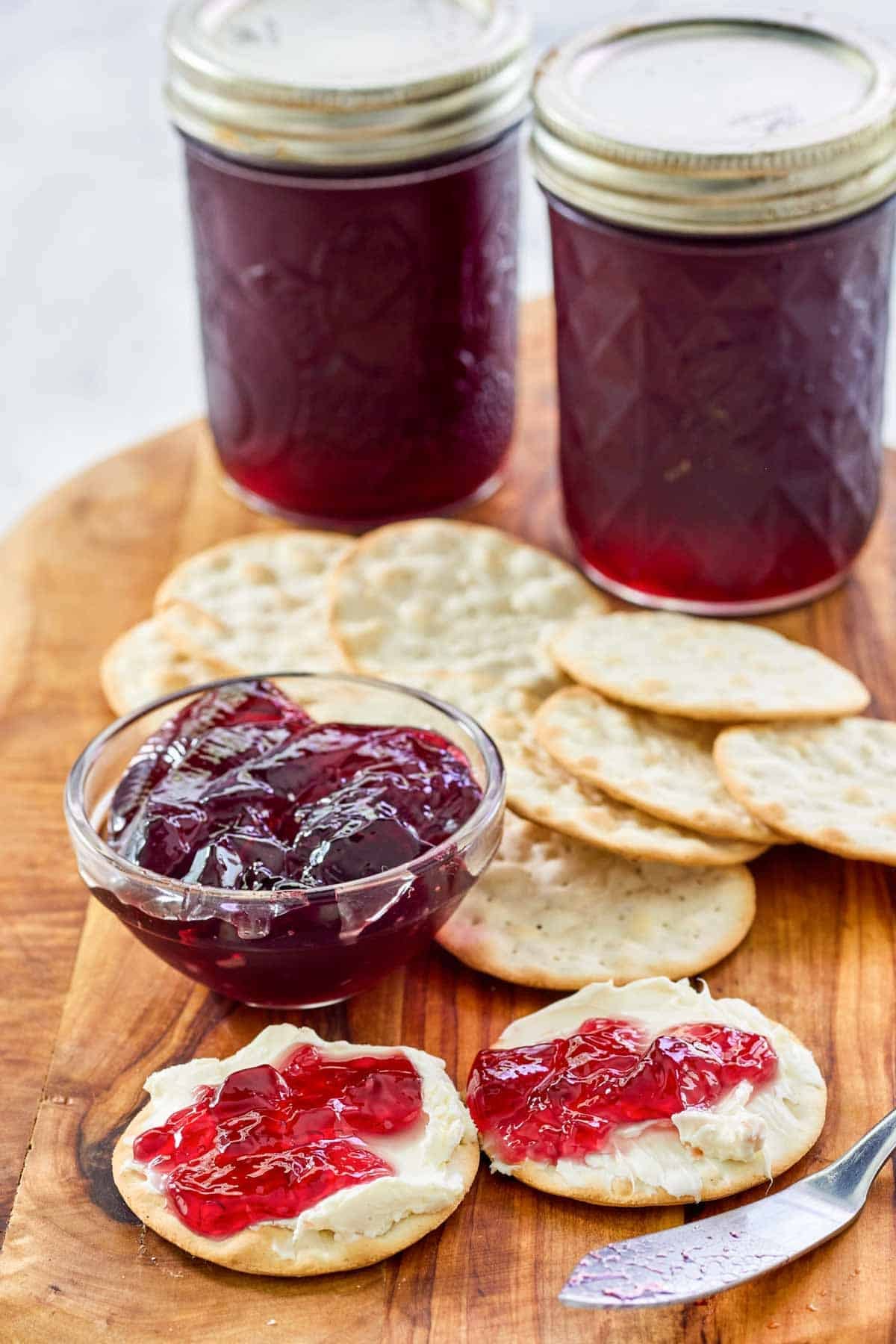
If you have ever found yourself with a partial bottle of wine and no good plan for it, this recipe is the answer. Wine jelly is a classic homemade preserve that converts wine, sugar, and liquid pectin into a smooth, spreadable jelly with a clean, concentrated flavor. It works with red, white, or rosé, and the result is a versatile preserve that pairs equally well with morning toast and a well-aged cheese. The active cooking time is under 30 minutes, and the recipe reliably produces a firm, sliceable set every time.
Add this site as a preferred Google source!
This post contains affiliate links. As an Amazon Associate, I earn from qualifying purchases.
Wine jelly is a traditional preserve made by cooking wine with sugar and pectin until the mixture sets into a firm, sliceable jelly. The technique is straightforward enough for a first-time canner, and the ingredient list is short enough that the flavor of the wine comes through clearly in the finished product.
The flavor and color of the jelly depend almost entirely on the wine used. A bold Cabernet Sauvignon produces a deep, tannic jelly; a dry Riesling gives something lighter and more floral; a rosé falls somewhere in between. Using a wine you enjoy drinking is the single most important choice in this recipe.
Why this recipe works
Wine already contains the natural acidity that pectin needs to gel properly. Unlike some preserves that require added lemon juice or careful pH adjustment, wine provides the right chemical environment on its own, which is why this recipe produces a consistent set across different wine varieties.
The sugar-to-wine ratio is calibrated to firm up the jelly while preserving the wine’s flavor rather than masking it. Too little sugar, and the jelly stays soft; too much, and the sweetness overtakes the wine’s character entirely.
Liquid pectin is specified here rather than powdered because it disperses evenly into a liquid base and produces a reliable set without clumping. Adding it after the initial boil, rather than at the beginning, ensures it fully activates without breaking down during cooking.
Equipment Needed
- Medium-sized pot – Provides adequate space for safe boiling
- Wooden spoon – Best for stirring sugar mixture without scratching pot
- Canning jars with lids – Must be sterilized for proper preservation
- Canning funnel – Helps transfer hot jelly without spills
- Jar lifter – Safely handles hot jars during processing
- Kitchen thermometer – Ensures jelly reaches proper setting temperature (optional)
Ingredients
For the Wine Jelly:
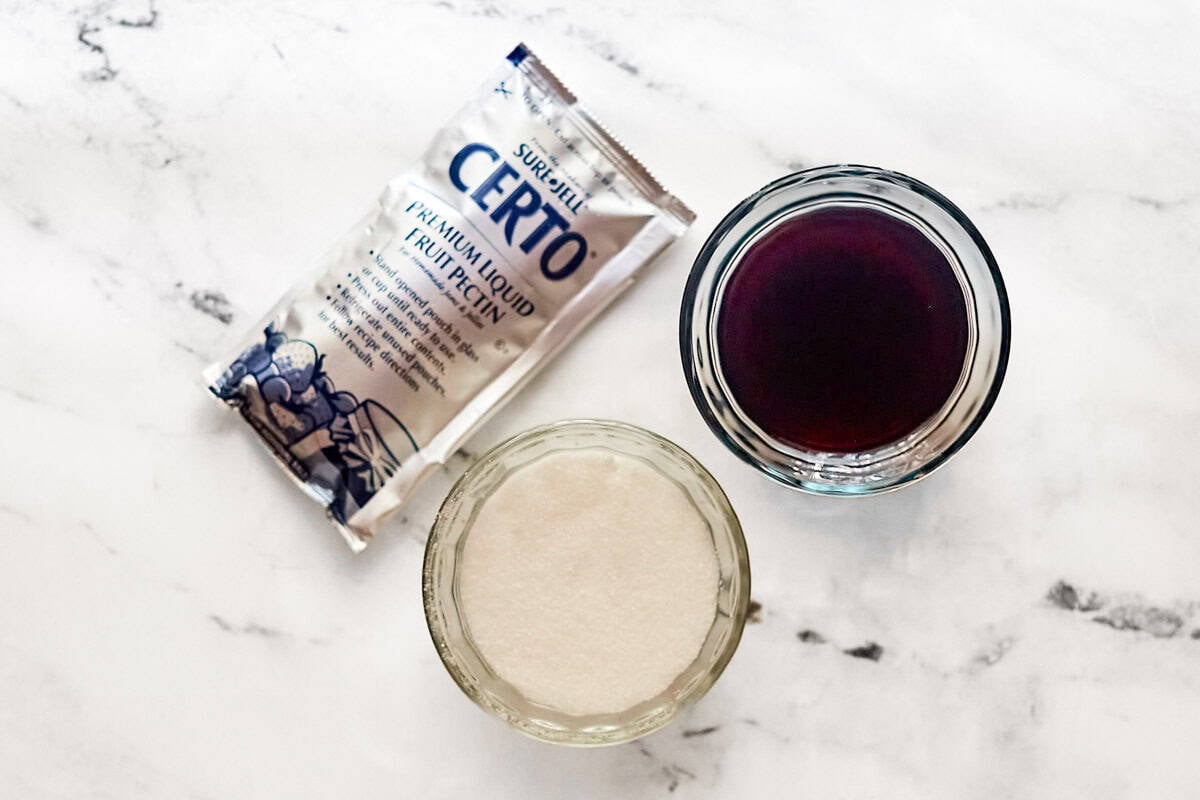
- Wine – Forms the flavor base and provides necessary acidity
- Sugar – Creates sweetness and helps with proper gel formation
- Liquid Certo pectin – Ensures reliable setting of the jelly
Step-by-Step Instructions
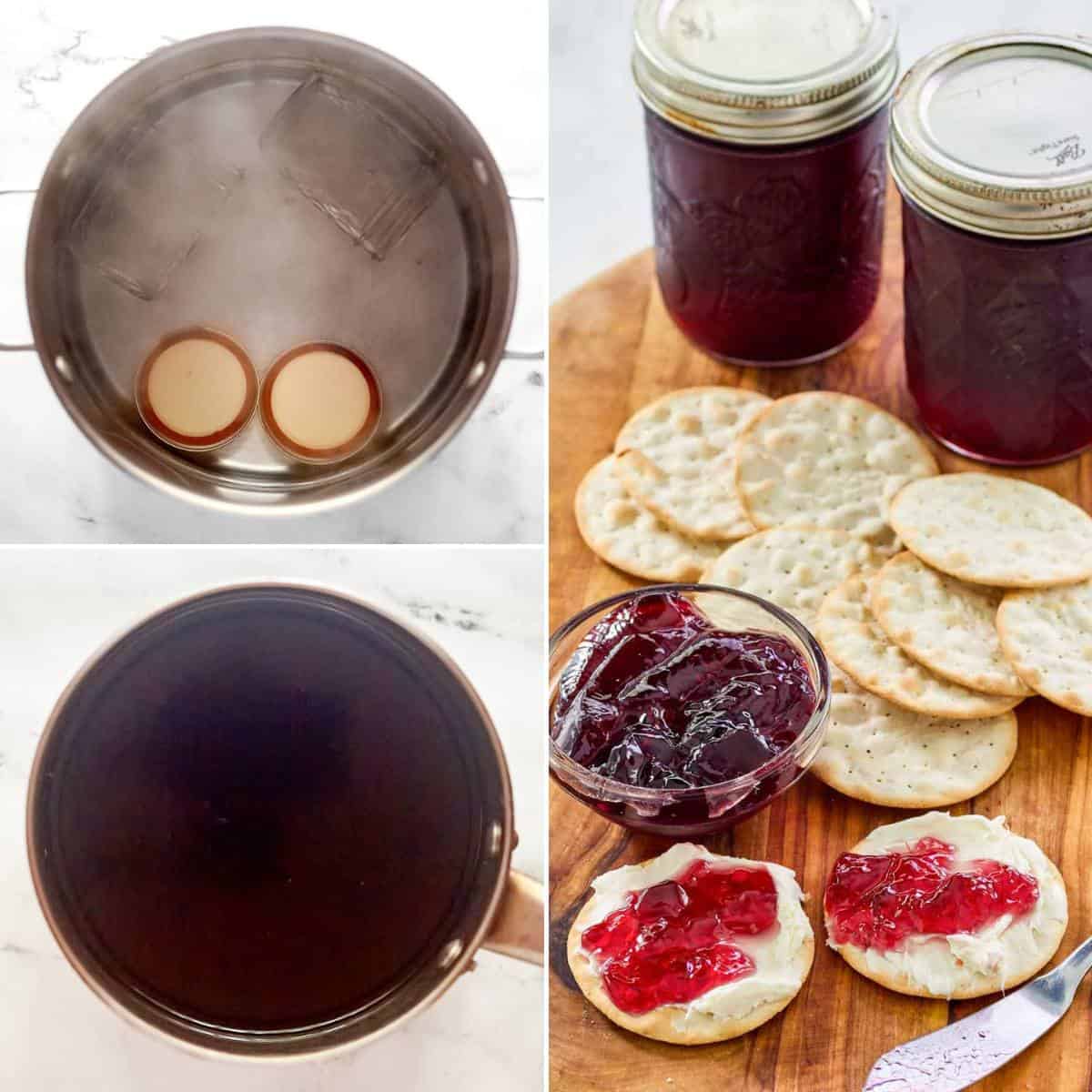
- Sterilize jars by washing thoroughly and placing in a 225°F oven for 10 minutes, or boiling for 10 minutes.
- Prepare lids by placing them in hot (not boiling) water until ready to use.
- Combine wine and sugar in a medium-sized pot, stirring thoroughly until sugar dissolves completely.
- Heat mixture over medium-high heat, bringing it to a full rolling boil (one that cannot be stirred down).
- Maintain boil for exactly 1 minute, stirring constantly to prevent scorching.
- Add liquid pectin by pouring the entire package into the boiling mixture.
- Return to boil and maintain a full rolling boil for exactly 1 more minute while stirring.
- Remove from heat and skim off any foam that may have formed on the surface.
- Fill jars immediately, leaving ¼-inch headspace at the top of each jar.
- Seal jars by wiping the rims clean, applying the lids, and tightening the bands until fingertip-tight.
Substitutions and Variations
Wine Options:
- Red wine – Creates a rich, bold jelly perfect for pairing with strong cheeses
- White wine – Produces a lighter, more delicate jelly ideal for breakfast spreads
- Rosé – Offers beautiful color and balanced flavor between red and white
- Fruit wines – Provide unique flavors beyond traditional grape wines
Serving suggestions and pairings
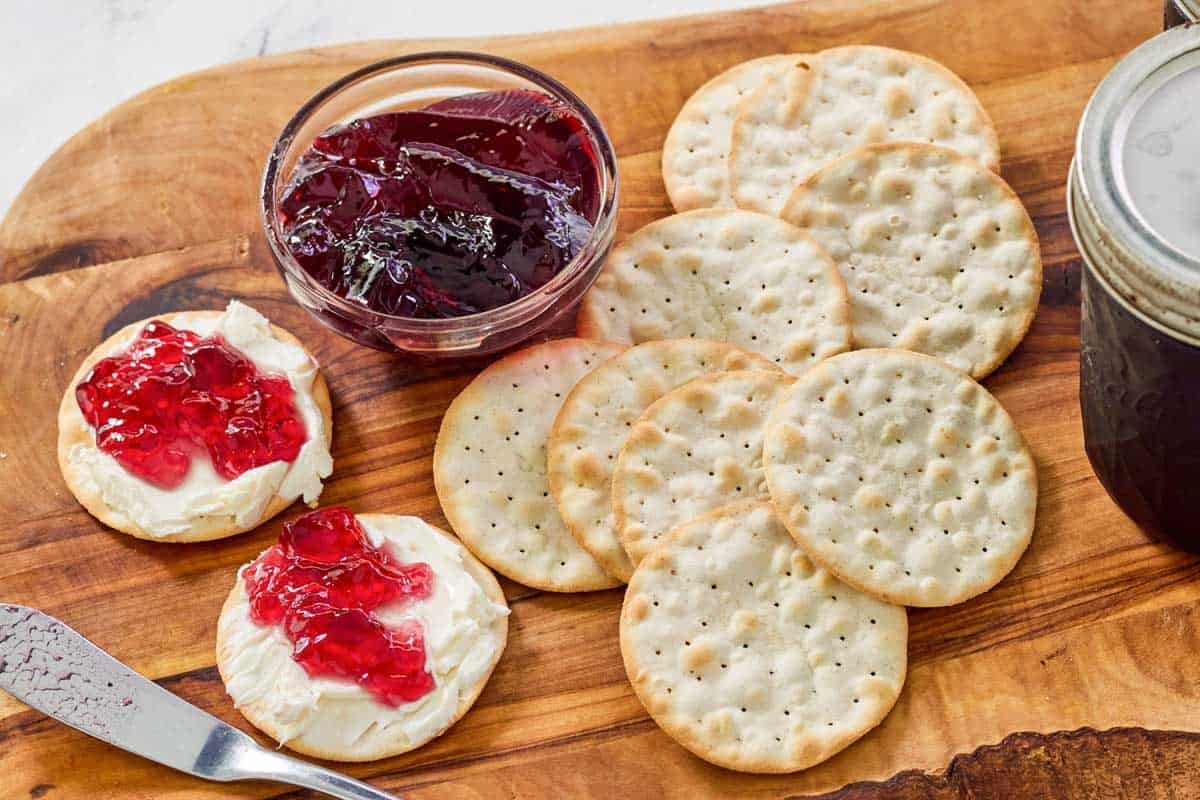
On a cheese board, red wine jelly pairs well with aged cheddar, manchego, or blue cheese. White wine jelly works with brie, goat cheese, or camembert. Rosé jelly is versatile across mild cheeses like Havarti or fresh mozzarella.
Spread it on toast, scones, or biscuits. Use it as a glaze for roasted pork tenderloin or chicken, warming it gently in a small saucepan and brushing it on during the last few minutes of cooking. It also works stirred into vinaigrette or served alongside a simple cracker-and-cheese appetizer.
Wine jelly makes a practical and well-received homemade gift. A single batch typically produces enough jars to share, and the jelly’s visual appeal through a clear jar does most of the presentation work on its own.
More recipes for homemade goodies
- Chocolate Magic Shell
- Caramel Coffee Syrup
- Hot Fudge Sauce
- Sweetened Yogurt
- Swiss Miss Hot Cocoa Mix
- Vanilla Sugar
Check out more DIY recipes that are easy to make and just as good (or better!) than the store-bought versions.
Plus you’ll get great new recipes from us every week!
Wine Jelly
Ingredients
- 2 cups wine (your favorite type)
- 3 cups sugar
- 1 package liquid Certo pectin
Instructions
- To sterilize the jars, wash the jars, lids, and bands in hot, soapy water. Rinse well. Place the empty jars upright on a rack in a large pot or boiling-water canner. Fill the pot and the jars with hot water, making sure the water covers the tops of the jars by at least 1 inch. Bring the water to a boil, and boil the jars for 10 minutes. Carefully remove the hot jars one at a time, draining the water back into the pot. Keep the jars hot until ready to fill. For higher elevations, add 1 additional minute of boiling time for every 1,000 feet above sea level.
- In a medium saucepan, combine the wine and sugar. Stir until the sugar is fully dissolved. Bring to a boil over medium-high heat. Boil for 1 minute, stirring as needed. Add the liquid Certo pectin and stir to combine. Bring the mixture back to a boil, and boil for 1 more minute.
- Carefully pour the hot jelly into the prepared hot jars. Seal the jars and allow the jelly to cool until set. Store according to your preferred canning or refrigeration method.
Notes
- The full rolling boil is not negotiable in this recipe. A simmer or a light boil will not activate the pectin properly, and the jelly will not set. The boil must be vigorous enough that stirring does not slow it down.
- Skimming the foam before filling jars is worth the extra minute. The foam is mostly air bubbles and, if left in, can cause cloudiness in the finished jelly. A few passes with a fine-mesh skimmer clear it quickly.
- If the jelly looks soft after the jars cool, give it 24 to 48 hours before drawing any conclusions. Pectin continues to firm up as the jelly cools completely, and judging the set while the jelly is still warm will almost always make it seem underdone.
- Wine jelly also doubles as a savory glaze. Warm it gently in a small saucepan and brush it over pork tenderloin or chicken thighs during the last few minutes of roasting for a quick, flavorful finish.




Can I use powder pectin instead?
I have never tried it with the power pectin, so I can’t say on that.
This was so good.